What to know about Enfield council waste rules for builders
Posted on 07/10/2026
If you are planning building work in Enfield, waste is one of those things that can quietly turn into a headache. Bricks, plasterboard, timber offcuts, rubble, packaging, old fixtures - it stacks up fast, and the rules around how you store, move, and dispose of it matter more than many people realise. This guide on What to know about Enfield council waste rules for builders explains the practical side in plain English, so you can stay organised, avoid unnecessary fines or delays, and keep the job moving. To be fair, most problems come from the small stuff: an overfilled skip, mixed waste, or not knowing what the council will and won't accept.
Whether you are a tradesperson, a small contractor, a landlord handling refurb work, or a homeowner overseeing builders, this page will walk you through the key points. You'll get a clear view of how builder's waste is typically managed, what usually goes wrong, what good practice looks like, and where local services can help. If you need a broader overview of disposal options, the services overview and builders waste disposal in Enfield pages are useful places to start.
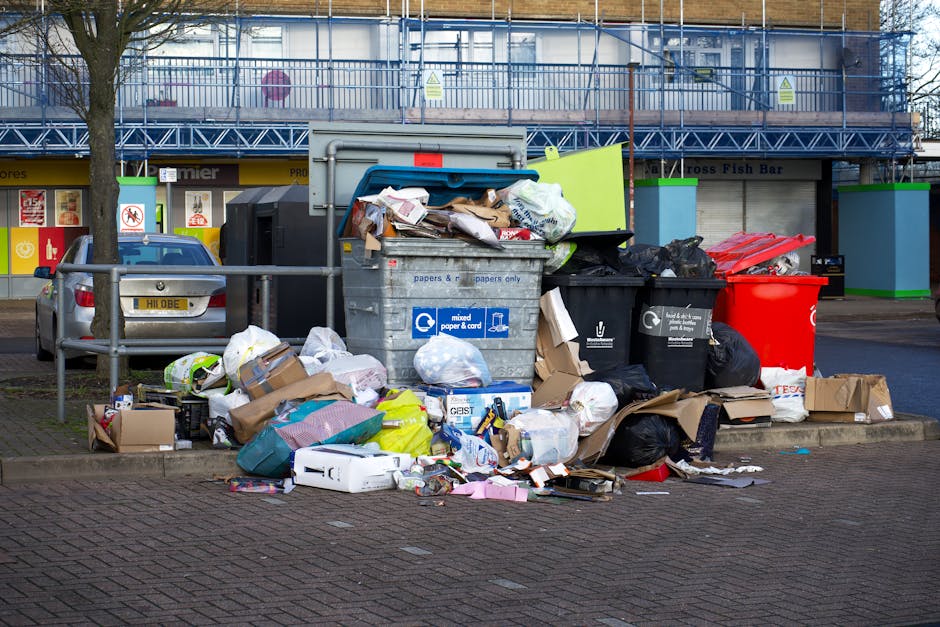
Why What to know about Enfield council waste rules for builders Matters
Builder's waste is not just "rubbish". It can include bulky, heavy, sharp, dusty, or potentially hazardous materials, and local rules are there to keep streets safe, reduce fly-tipping, and make sure waste is handled properly. If you are working in Enfield, you'll quickly notice that waste can affect everything from access to neighbours, to site tidiness, to how smoothly collections happen on a busy London street.
Why does this matter so much? Because poor waste handling can create real knock-on effects. A skip left in the wrong place can slow the job down. Mixed waste can increase disposal costs. Dust and debris can upset neighbours. And if waste is left on the pavement or in a shared access area without proper planning, you may find yourself dealing with complaints at the worst possible moment - usually when the plaster is still drying and everyone wants to go home.
There is also the reputation side. Builders and contractors who keep sites tidy tend to run better jobs. It sounds simple, but clients notice. So do landlords, managing agents, and local residents. In a place like Enfield, where many streets are a mix of homes, shops, and smaller commercial buildings, good waste practice helps you stay on the right side of everyone around the site.
Practical takeaway: The cleaner and more controlled the waste plan, the less likely you are to face delays, complaints, extra charges, or compliance issues. That is the long and short of it.
How What to know about Enfield council waste rules for builders Works
At a practical level, the rules are about three things: storage, segregation, and disposal. Builders need to think about where waste goes as it is created, how different materials are separated, and which route it will take off-site. In many cases, people assume waste can just be piled up and sorted later. Sometimes that works. Often it turns into a mess.
Enfield council waste expectations generally sit within the broader UK approach to waste management. That means you should keep waste controlled, avoid blocking pavements or access routes, and use suitable disposal options for the type of material involved. Builders' waste can be collected by licensed waste carriers, taken to an appropriate facility, or moved via a skip or similar container where permitted. The exact setup depends on the job, the material, and the site conditions.
On a small kitchen refit, for example, you might end up with packaging, old units, tiles, and a few bags of rubble. On a larger renovation, the volume rises quickly and you may need a more structured collection plan. In our experience, the jobs that go smoothly are the ones where waste is planned before the first wall comes down, not after the first pile hits the hallway.
It also helps to remember that not every item goes in the same pile. Plasterboard, untreated wood, metals, rubble, soil, and mixed general waste may all be dealt with differently by carriers or disposal sites. Separating materials can save time and sometimes reduce cost, though that depends on the arrangement. One size does not fit all here, unfortunately.
What usually counts as builders waste?
Typical builders waste includes:
- Bricks, tiles, concrete, and rubble
- Timber offcuts, plywood, and joinery waste
- Plasterboard and plaster
- Metals, fixtures, and fittings
- Packaging, plastic wrap, and cardboard
- Old kitchen or bathroom units
- Soil, turf, and garden-related spoil from external works
Some of this can be recycled, some needs separate handling, and some may need special care depending on contamination or condition. If you are dealing with mixed loads, ask how the collection will be handled before you start. It saves a lot of back-and-forth later.
Key Benefits and Practical Advantages
Getting the waste side right brings a few very real benefits. They are not flashy, but they matter. First, the site stays safer. Loose rubble, nails, broken tiles, and leaning bags of debris are easy to trip over, especially when the light drops and everyone is tired. Second, the job looks more professional. A tidy site gives clients confidence. Third, collections are usually quicker when materials are already separated and ready.
There is also a financial angle. Waste is one of those areas where small inefficiencies pile up. If the load is poorly sorted, you may pay for extra handling. If access is blocked, collection becomes awkward. If you need another run because the first plan underestimated the waste volume, that is more time and more cost. Truth be told, waste mistakes are rarely dramatic on their own, but they quietly eat into profit.
For builders working across Enfield, another advantage is keeping relationships smooth with neighbours and local residents. Nobody enjoys a street full of broken plasterboard, dust, or a skip that seems to appear overnight and then sit there forever. A clear waste routine reduces friction.
And yes, there is peace of mind. That counts too. When the waste plan is sorted, you can focus on the build itself rather than improvising every afternoon with a pile of offcuts and a van that is already full.
Who This Is For and When It Makes Sense
This guidance is relevant if you are:
- A builder, contractor, or tradesperson working in Enfield
- A homeowner carrying out renovation or extension work
- A landlord preparing a property for re-let or sale
- A managing agent overseeing maintenance or refurbishment
- A developer or property investor dealing with clearance and construction waste
It makes sense whenever your work creates more waste than a standard household bin system can handle. That can be a short bathroom rip-out, a loft conversion, a garden wall rebuild, or a larger commercial fit-out. If the waste is heavy, bulky, or mixed, you need a better plan than "we'll deal with it later".
It also becomes more important when access is tight. Enfield has plenty of streets where parking is limited, turnaround space is awkward, and neighbours are close enough to hear the first dropped tile at 7:30 in the morning. In those situations, waste handling is not just a side task. It becomes part of the job logistics.
If your work is more residential than commercial, you may also find the local guides on rubbish collection in Enfield and waste removal in Enfield helpful for understanding practical disposal options without overcomplicating things.
Step-by-Step Guidance
Here is a straightforward way to approach builder waste in Enfield without making it harder than it needs to be.
- Estimate the waste before work starts. Walk the job, look at what is being removed, and think in realistic terms. A small strip-out can still generate more waste than expected.
- Separate materials where practical. Keep rubble, timber, metals, cardboard, plasterboard, and general mixed waste apart if possible. The cleaner the separation, the easier the disposal.
- Choose the right disposal method. That might be a skip, a scheduled collection, a one-off removal service, or a combination.
- Check access and storage space. Make sure waste containers can be placed safely and collected without blocking the route or causing a nuisance.
- Keep the site tidy daily. Do not leave a mountain of debris for "tomorrow". Small daily clearances work better than one big panic at the end.
- Confirm who is responsible. On some jobs, the builder handles disposal; on others, the client arranges it. Agree this early. Really early.
- Use a licensed and suitable carrier. The person removing waste should be properly set up to transport and dispose of it.
- Keep records and receipts. This matters for accountability and, in some cases, business compliance.
A simple example: if you are removing a bathroom, box up clean fixtures separately, keep rubble away from reusable metal fittings, and make sure plasterboard is not contaminated with general debris if your carrier expects separation. That small bit of discipline can make the collection smoother and less messy. Not glamorous, but very effective.
Expert Tips for Better Results
One of the best habits is to build waste control into the method statement or job plan, even for smaller projects. It sounds a bit formal, but the idea is simple: if everyone knows where waste goes, you stop waste becoming a moving target.
Here are a few practical tips that tend to help:
- Use smaller, more frequent clearances on busy sites. A little and often approach can keep paths open and reduce trip hazards.
- Keep a "clean zone" and a "dirty zone". Even a rough separation helps workers move faster and keeps reusable materials safer.
- Protect shared access areas. In flats or terraces, think about stairwells, entrances, and front paths. The cleanest job can still annoy people if the route is left muddy and cluttered.
- Cover loose materials where possible. Rain makes rubble heavier, paper packaging soggy, and cardboard useless in a hurry.
- Ask about load type before collection. A mixed waste load is not the same as a segregated load, and pricing or handling can vary.
There is a little craft to all this. After a while, you can tell which job is going to produce trouble just by looking at the first room strip-out. A pile of mixed debris, no bags, no plan, nobody quite sure who booked the collection? That is usually a warning light. Not a disaster, but a warning light.
If you want to keep on top of the wider environmental side too, our recycling and sustainability page covers sensible disposal thinking in a simple, practical way.

Common Mistakes to Avoid
The same few mistakes crop up again and again. They are easy to make, especially on fast-moving jobs, but they can cost time and money.
- Leaving waste until the end. The pile gets bigger, heavier, and harder to move.
- Mixing everything together. This can limit recycling options and make disposal less efficient.
- Blocking pavements or driveways. This creates safety and access problems, and can trigger complaints fast.
- Assuming all materials are handled the same way. They are not. Some waste needs separate treatment.
- Ignoring load limits or container capacity. Overfilled containers are a nuisance and may not be collected.
- Not confirming who is responsible for disposal. This is a classic source of confusion between builder and client.
- Using an unsuitable carrier. If waste leaves the site, it should go with someone who is properly set up for the job.
Another subtle mistake is failing to think about weather. Wind can scatter light packaging across a site in minutes. Rain can turn a neat pile of rubble into a grim, slippery mess. It's the sort of thing you only forget once or twice.
Tools, Resources and Recommendations
You do not need a complicated setup to manage builder waste well. A few practical tools and habits go a long way:
- Heavy-duty rubble sacks for smaller dense waste
- Clear labels or simple pile zones for separating materials
- Measuring tape or rough volume estimates to judge how much waste is likely to arise
- Gloves, goggles, and dust masks where dust or sharp waste is involved
- Wheelbarrows or sacks with proper lifting limits to reduce strain and accidents
- A written waste plan for anything larger than a minor repair job
For local service context, the most relevant pages on this site include builders waste disposal Enfield, rubbish collection Enfield, and pricing and quotes. Those pages can help you compare options and understand how jobs are usually priced and arranged.
If you are dealing with business premises or a mixed-use building, the office clearance in Enfield page may also be useful, especially where refurbishment waste overlaps with general clearance work.
Law, Compliance, Standards, or Best Practice
Builder waste in England sits within broader waste-duty expectations, and while this article is not legal advice, there are some common-sense compliance points worth keeping in mind. In practice, businesses and contractors should make sure waste is stored safely, removed responsibly, and transferred only to properly authorised parties. That usually means using a legitimate waste carrier and keeping some basic records.
It is also good practice to think about duty of care, which in plain English means you remain responsible for waste until it is handled correctly. If waste is fly-tipped after leaving your site and you cannot show who took it, that can become a problem. Nobody wants that email or phone call.
Best practice also includes:
- Keeping waste secure so it does not blow, spill, or spread
- Separating recyclable materials where practical
- Avoiding contamination of clean waste streams
- Using suitable containers for the material and volume
- Documenting who collected the waste and when
For site safety, think about the basic environment around the waste too. Sharp edges, dust, unstable stacks, and blocked exits are all practical hazards. Our insurance and safety page is a helpful reminder that waste handling is not only about compliance - it is also about reducing everyday risk.
In short, the safest approach is usually the simplest one: keep it sorted, keep it contained, keep it documented.
Options, Methods, or Comparison Table
There is no single best way to deal with builder waste in Enfield. The right method depends on volume, access, budget, and how mixed the waste is. Here is a practical comparison of the most common approaches.
| Method | Best for | Strengths | Limitations |
|---|---|---|---|
| Skip hire | Medium to larger renovation waste | Good for heavy bulky waste, convenient on-site storage | Needs space, can be awkward in tight streets, may require permissions depending on placement |
| Booked waste collection | Smaller to medium loads | Flexible, often quicker for mixed clearances | May need good access and careful timing |
| Segregated material removal | Jobs with lots of recyclable or single-material waste | Can improve recycling and reduce handling complexity | Needs more sorting discipline on site |
| Ad hoc van runs | Very small jobs or tight turnaround tasks | Simple for tiny volumes | Can become inefficient fast, and not ideal for heavy waste |
If you are unsure which option fits, the main question is this: are you trying to move a little waste quickly, or a lot of waste safely and efficiently? That one answer usually narrows it down. For many builders, a mix of methods is best - for example, a skip for rubble plus a separate collection for mixed light waste.
Case Study or Real-World Example
Here is a realistic example based on a typical Enfield refurbishment job. A small team is stripping a dated kitchen in a terraced property near a busy high street. The work includes cabinets, worktops, tiles, old appliances, plaster debris, and packaging from new fittings. Access is tight, parking is limited, and the client wants the property kept presentable because neighbours are close and people are in and out all day.
Instead of piling everything into one heap, the team sets up three waste zones: rubble and tile waste, timber and board waste, and general mixed packaging. They keep the hallway clear, remove smaller loads daily, and arrange a collection before the final fix stage. That means no last-minute scramble, less dust, fewer complaints, and a cleaner handover.
Now compare that with the more common messy version: everything gets tossed into one corner, the hall is blocked, wet plasterboard soaks up rain through an open side passage, and the final clearance ends up costing more because it all has to be sorted under pressure. Same job. Very different outcome.
The lesson is straightforward. Small waste decisions made early can save a surprising amount of time later. It is not dramatic, but it is the kind of practical discipline that good builders quietly rely on.
Practical Checklist
Use this checklist before and during the job:
- Have I estimated the likely waste volume?
- Do I know which materials will be separated?
- Is there enough access for removal or collection?
- Have I protected floors, paths, and shared areas?
- Do I know who is responsible for waste disposal?
- Is the selected disposal method suitable for the waste type?
- Have I considered dust, sharp edges, and lifting risks?
- Are containers, sacks, or storage areas clearly set out?
- Have I planned for a final clearance before handover?
- Do I have records or receipts for disposal where needed?
If you can tick most of these off before the first hammer swings, you are already ahead of the game. Simple, yes. But simple tends to work.
Conclusion
Understanding What to know about Enfield council waste rules for builders is really about staying organised, working safely, and avoiding the kind of waste issues that slow a job down for no good reason. Keep materials separated where practical, choose a disposal method that fits the site, protect access routes, and make sure you know who is responsible for the waste from start to finish. Do that well, and the rest of the project usually feels much calmer.
For builders, landlords, and homeowners alike, good waste handling is one of those quiet signs that the work is being managed properly. It saves time, keeps neighbours happier, and reduces avoidable stress. And honestly, on a cold morning with a van half-loaded and dust in the air, that matters more than people think.
Get a free quote today and see how much you can save.


Copyright © . House Clearance Enfield. All Rights Reserved.