Fore Street shop rubbish collection for Enfield businesses
Posted on 06/08/2026
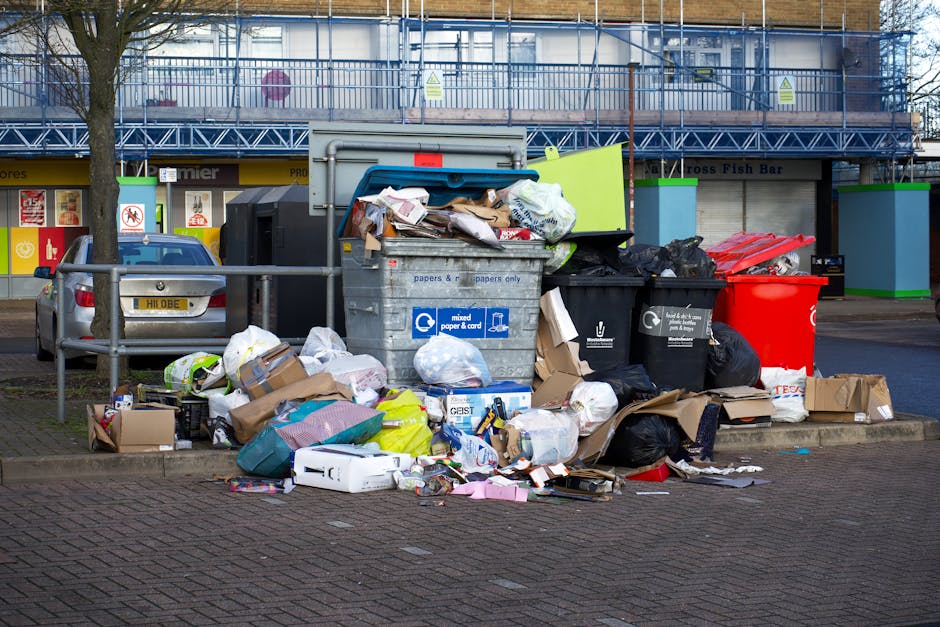
Running a shop on Fore Street is busy enough without rubbish quietly taking over the back room, the pavement area, or that awkward corner behind the till. Cardboard builds up after deliveries. Packaging piles up after stock changes. Broken display items, old fixtures, and end-of-day waste somehow appear faster than anyone expects. That is exactly why Fore Street shop rubbish collection for Enfield businesses matters: it helps you stay tidy, keep trading smoothly, and avoid the small operational headaches that turn into bigger ones if you leave them too long.
For shop owners, managers, landlords, and fit-out teams in Enfield, the real challenge is not just getting waste removed. It is doing it in a way that is fast, compliant, predictable, and sensible for a high-footfall retail street. In this guide, we will walk through how it works, what to expect, common mistakes, and the practical steps that make the whole process far less stressful. Nothing fancy. Just the stuff that actually helps.
Why Fore Street shop rubbish collection for Enfield businesses Matters
Fore Street is a working retail corridor, not a quiet industrial estate where waste can sit around unnoticed. Customers see your frontage before they ever see your products. Staff see the back-of-house mess every day. And anyone who has tried to stack empty boxes in a tiny stockroom knows that clutter becomes a problem alarmingly fast.
Good shop rubbish collection is about more than appearance. It supports day-to-day operations, helps reduce trip hazards, and keeps fire exits, loading points, and shared access areas usable. On a street where space is tight, the difference between a well-managed rubbish routine and a messy one can be surprisingly visible. To be fair, people notice. They may not say anything, but they notice.
There is also a business continuity angle. If waste starts blocking storage, slows unpacking, or forces staff to spend time dealing with overflow, you are paying for that problem in labour and lost efficiency. For independent retailers, convenience stores, cafes with retail stock, salons, vape shops, takeaways with ancillary stockrooms, and small chains with busy replenishment cycles, the impact is direct.
And then there is customer perception. A tidy shop back area does not usually impress customers on its own, but a messy one can absolutely damage confidence. That sounds blunt, but it is true. If your rubbish system feels under control, the rest of the operation usually feels more reliable too.
If you want a wider overview of service options in the area, the services overview is a useful place to understand how retail waste collection often sits alongside other clearance work.
How Fore Street shop rubbish collection for Enfield businesses Works
Most shop rubbish collection jobs follow a simple pattern, although the details depend on volume, access, and the type of waste involved. The process usually starts with a description of what needs removing: black bags, cardboard, display shelving, packaging, broken stock, old office chairs, shop fittings, or mixed non-hazardous rubbish. If the load is awkward or particularly bulky, a collection can be planned around access points and timing, which matters a lot on a busy street.
In practical terms, a collection tends to work best when the waste is already grouped sensibly. Cardboard separate from general rubbish. Reusable items separated from disposal items. Heavy items kept where they can be moved safely. It sounds obvious, but a five-minute sort at the start can save a very messy half-hour later.
For many Enfield businesses, collection is arranged around opening hours, quieter trading windows, or end-of-day clear-downs. That is often the sweet spot. Customers are less disrupted, staff can prepare the waste properly, and the removal team can move efficiently without blocking foot traffic. If you have ever watched a delivery driver try to reverse into a narrow retail street at the exact moment school traffic and lunchtime shoppers collide, you will appreciate the value of timing.
Depending on the job, a collection may also be bundled with other services, such as rubbish collection in Enfield or broader waste removal services. That is useful when the rubbish is not just "shop waste" but a mix of stockroom clear-out material, packaging, and old fixtures.
Some businesses also combine collections with a broader reset of the premises, particularly when preparing for a refit or closure. In that case, it can help to look at office clearance in Enfield or even house clearance support if stock and stored items have become heavily mixed with general clutter. Different pages, different jobs. But the principle is the same: clear the space properly and safely.
Key Benefits and Practical Advantages
The best reason to organise regular shop rubbish collection is simple: it gives you control. Once rubbish gets away from you, it starts affecting stock handling, cleanliness, and staff morale. A tidy shop is easier to open, easier to close, and easier to inspect.
Here are the biggest practical advantages:
- Cleaner customer-facing areas: Less overflow in front or near the entrance keeps the shop looking professional.
- Safer staff movement: Fewer trip hazards, less clutter around stockrooms, and better access to fire exits.
- Faster turnarounds: Clear back-of-house areas make it easier to receive deliveries and rotate stock.
- Less stress during busy periods: Seasonal rushes are much easier to manage when waste already has a plan.
- Better use of limited space: Retail premises in Enfield often need every square foot doing a job.
- More predictable operations: If rubbish is removed on a planned schedule, staff are not improvising every week.
There is also a small but real reputational gain. A clean, organised shop suggests care. And care matters. Customers may never consciously say, "This business has a good waste process," but they absolutely register when a place feels orderly.
If sustainability is part of your business message, linking your shop waste routine to the wider recycling and sustainability approach can help you think about what should be reused, segregated, or diverted from general disposal. Not every box needs to become rubbish the moment it arrives.
Expert summary: The most efficient shop rubbish collections are planned around trading rhythms, sorted before pickup, and matched to the actual waste stream rather than treated as a one-size-fits-all clear-out.
Who This Is For and When It Makes Sense
This service is not just for large retail chains. In fact, smaller businesses often feel the pressure more because they have less storage and fewer staff to manage waste day to day. If you run a shop on Fore Street, you may need collection support if any of the following sound familiar.
- Your stockroom keeps filling with cardboard and packaging.
- You are replacing fixtures, shelving, or display units.
- You are clearing out after a refit, change of tenant, or seasonal changeover.
- Your team spends too much time shifting rubbish instead of serving customers.
- You have bulky items that will not fit in normal bins.
- You need a one-off clearance after a burst of trading, promotion, or delivery-heavy period.
It also makes sense for landlords and managing agents overseeing vacant retail units. A unit that has been left with old stock, broken fittings, or leftover packaging can quickly become difficult to prepare for the next occupant. A prompt clearance helps keep the handover smooth, which is one less headache for everyone involved.
There is a seasonal angle too. Before Christmas, after stock refreshes, during post-sale clean-ups, and around refurbishments, rubbish volumes rise. That is predictable. The trick is not to wait until the back room is unwalkable. A shop owner once described it as "that horrible point where the boxes start looking at you." Fair enough, honestly.
Step-by-Step Guidance
If you want Fore Street shop rubbish collection to run smoothly, treat it as a simple process rather than a last-minute fix. Here is a practical way to do it.
- Identify the waste types. Separate cardboard, mixed rubbish, bulky items, broken fittings, and anything that may need special handling.
- Estimate the volume. Think in terms of bags, boxes, shelving units, or piles rather than vague guesses.
- Check access. Note where waste is stored, whether there is rear access, and whether the collection point may affect customers or neighbours.
- Pick the timing. Choose a collection slot that avoids the busiest part of the trading day when possible.
- Prepare the load. Stack items safely, flatten cardboard, and keep pathways clear.
- Confirm what is included. Make sure the collection covers loading, removal, and disposal of the items you actually have.
- Keep records if needed. For business waste, paperwork or confirmation of removal can be useful for internal checks and compliance.
A sensible workflow is often the difference between a quick pickup and a disrupted afternoon. If you are managing a larger refurbishment or a particularly awkward clearance, you may also want to review builders waste disposal in Enfield, especially if the job includes plasterboard, timber offcuts, packaging, or old fixtures from a fit-out.
And if speed is the main problem, not volume, some businesses look at faster turnaround options like same-day rubbish removal near Enfield Town Station. That is not always necessary, but when a shop is about to open, shut, or hand back keys, time can matter more than anything else.
Expert Tips for Better Results
After enough retail clearances, a few patterns become obvious. The businesses that handle rubbish best are not necessarily the biggest or tidiest. They are usually the ones that build a routine and stick to it.
1. Make cardboard someone's job. Cardboard is rarely the problem on its own. The problem is letting it sit unflattened until it takes over a corner. Assign responsibility. Even a small shop benefits from one clear owner for packaging waste.
2. Keep one "do not dump here" zone. It sounds a bit strict, but a small protected area for essential stock handling can prevent the entire back room turning into a dumping ground.
3. Photograph awkward loads before collection. This helps everyone know what is being removed and avoids confusion on the day. Handy for managers, too, when they are not on site.
4. Match collection frequency to trading cycles. A fashion retailer, for example, may need more support after seasonal changes than a shop with stable stock lines. A cafe-retail hybrid may need different timing again. There is no universal answer.
5. Think about your neighbours. On Fore Street, collections can affect pedestrians, nearby businesses, and loading space. Keep access clear and avoid leaving waste out too early.
6. Don't confuse storage with sorting. A pile of waste that has been "temporarily" moved is still waste. We have all done it. It still counts.
For businesses that want to understand broader service choices before booking, the about us page can help build a sense of how a provider approaches local work, while pricing and quotes is useful when you want to compare what is included and avoid awkward surprises later.
Common Mistakes to Avoid
Most waste problems are predictable. That is the frustrating part. The good news is they are also avoidable if you know what to look for.
- Leaving collections until overflow happens. By then, the job is harder, slower, and more disruptive.
- Mixing everything together. Cardboard, general rubbish, and bulky items are easier to manage when separated.
- Ignoring access constraints. A collection that blocks customers or deliveries creates a second problem.
- Assuming all waste can go out the same way. Some items need more care, especially if they are heavy, sharp, or awkward.
- Not checking what the provider will take. If you have mixed loads, make sure the arrangement is clear.
- Forgetting about paperwork or business records. It is not glamorous, but for commercial waste it can matter.
One common issue in busy retail settings is the "it'll do for now" mindset. Usually that means rubbish gets parked beside the stock room door, then beside the staff entrance, then somehow in the only route between the till and the storeroom. And suddenly it is everyone's problem.
A more subtle mistake is booking the right service but at the wrong time. If your collection lands right before a delivery window or during a busy lunch rush, the job can feel ten times more difficult than it should. Small timing choices help more than people expect.
Tools, Resources and Recommendations
You do not need a complex system to manage retail rubbish well. A few practical tools are enough for most Enfield businesses.
- Labelled bins or sacks: Keep cardboard, general waste, and reusable items visually separate.
- A simple collection log: Useful if several staff members handle waste at different times.
- Measuring tape or rough capacity notes: Helpful when describing bulky items or storage bays.
- Photo records: Good for checking whether a collection is one-off or recurring.
- Staff reminder sheet: A short guide on where waste goes and who signs off on collections.
For occasional local context and a feel for how Enfield businesses, residents, and retail spaces connect, you may also find these site resources useful. They are not waste guides as such, but they add broader local perspective: life in Enfield from a resident's perspective, a look at Enfield's history and community, and the Enfield real estate market overview. If you manage a shop property rather than just the business inside it, that wider context can actually be handy.
For business owners comparing clear-out styles or looking at related property projects, the article on navigating property investments in Enfield is also a useful read. Different subject, yes, but still grounded in how local premises are used, repurposed, and maintained.
Law, Compliance, Standards and Best Practice
Commercial rubbish is not the same as household rubbish. That is the core point. Businesses are generally expected to manage their waste responsibly, keep it from causing nuisance or hazards, and use a lawful disposal route. In plain English: do not just dump it, do not let it spill into shared areas, and do not treat it like an afterthought.
Good practice usually includes:
- keeping waste secure and contained;
- avoiding obstruction of entrances, exits, and public walkways;
- using a provider that can remove and dispose of business waste appropriately;
- keeping evidence of removal where your business process requires it;
- handling bulky, sharp, or heavy items with proper care.
If the waste includes broken fittings, glass, electrical items, or anything that could cause injury, treat it as a safety issue first and a disposal issue second. That order matters. The same goes for fire exits and shared access routes in retail units. A tidy shop is nice; a safe shop is non-negotiable.
It is also worth checking provider standards around safety and insurance. The insurance and safety information page can be a helpful reference point when you are choosing who should handle a clearance. Likewise, if your business values ethical sourcing and responsible operations, it is sensible to review the modern slavery statement. It is not directly about rubbish, but it does speak to business standards and supplier expectations.
Privacy, cookies, and terms pages may seem like admin in the background, but they matter when a provider is handling enquiries, records, and booking details. If you are the sort of business owner who likes the small print sorted before the big mess, the privacy policy, terms and conditions, and cookie policy are all worth a glance.
Options, Methods, and Comparison Table
There is more than one way to manage shop rubbish. The right method depends on how much waste you create, how quickly it builds up, and how much space you have on site.
| Method | Best for | Strengths | Limitations |
|---|---|---|---|
| Regular small collections | Shops with steady, predictable waste | Keeps clutter under control; easy to plan around trading hours | May not suit sudden clear-outs or bulky disposals |
| One-off same-day collection | Urgent overflow or last-minute clearance | Fast relief; useful before inspections, handovers, or openings | Not always necessary; can be less efficient than planned collections |
| Bulk clearance | Refits, closures, stockroom overhauls | Removes large volumes in one visit; reduces disruption over time | Requires better preparation and access planning |
| Mixed waste and bulky item removal | Retail units with packaging, fixtures, and general rubbish | Flexible for awkward loads; practical for varied shop waste | Needs clear sorting so nothing gets missed or mishandled |
For some businesses, the best choice is a combination. For example, a small Fore Street shop might use routine cardboard removal, then book a larger clearance after a seasonal change. That approach is often more cost-effective than waiting until everything becomes urgent.
If your job involves unexpected overflow and you need a quicker turnaround, it can help to compare with cheap rubbish collection in EN1 Enfield best quotes. Meanwhile, businesses dealing with oversized items or awkward one-off loads may find the guide to bulky waste pickup and disposal in Ponders End useful for thinking through planning and access.
Case Study or Real-World Example
Here is a realistic example, without pretending it is some dramatic transformation story. A small Fore Street retailer receives a heavy weekly delivery cycle. Cardboard boxes stack up behind the counter because the stockroom is too narrow to keep everything in one place. Over time, the staff start moving empty packaging into a spare corner by the rear door. Then seasonal stock arrives, the corner becomes a wall, and the rear entrance is nearly blocked.
At that point, the business does not need a complicated solution. It needs a clean reset and a better routine. First, the waste is sorted: cardboard, mixed packaging, damaged fixtures, and a few old display pieces. Next, the collection is scheduled for a quieter trading window so the team can clear a safe path. Finally, the shop introduces a weekly cardboard flattening habit and a monthly check on stored waste.
The result is not glamorous. That is kind of the point. The stockroom becomes usable again. Staff stop working around boxes. Deliveries move more smoothly. Customers no longer see overflow when the back door is opened. And, perhaps most importantly, nobody has to spend Friday afternoon playing Tetris with old packaging.
Small change, big relief. That is what good shop rubbish management often looks like in real life.
Practical Checklist
Use this before booking or receiving a shop rubbish collection on Fore Street:
- Confirm the types of waste you need removed.
- Separate cardboard, general rubbish, and bulky items where possible.
- Check whether any items need special handling because they are sharp, heavy, or fragile.
- Measure or estimate the amount of waste realistically.
- Make sure access routes are clear for staff and the collection team.
- Choose a time that causes the least disruption to trading.
- Check whether you need records or confirmation of disposal.
- Review safety concerns around lifting, exit routes, and storage points.
- Think about whether this is a one-off clearance or a recurring waste need.
- Keep a note of what worked well so the next collection is easier.
That last one gets overlooked a lot. Yet a tiny bit of memory goes a long way. If a collection was awkward because of a locked gate or a delivery overlap, write it down now. Future you will be grateful. Probably with less coffee, too.
Conclusion
Fore Street shop rubbish collection for Enfield businesses is really about keeping control of the everyday. It protects your space, supports your staff, improves how customers experience your premises, and stops waste from becoming a constant background stress. Whether you need a routine pickup, a bulky one-off removal, or help after a refit, the smartest approach is always the same: plan it properly, separate the load sensibly, and match the service to the way your shop actually operates.
There is no prize for letting waste build up until it becomes a panic job. Much better to deal with it early, keep things moving, and give your premises the calm, functional feel that customers and staff both notice. In retail, that calm matters more than people admit.
Get a free quote today and see how much you can save.


Copyright © . House Clearance Enfield. All Rights Reserved.